Uncover the Classic Allure of Men's Fedora Hats
Men's fedora hats have long been regarded as a symbol of sophistication and style. Their classic design offers versatility, rendering them appropriate for a wide range of events. As the world of fashion progresses, the fedora consistently draws interest in both timeless and current fashion circles. Examining its timeless charm can reveal its significance in modern fashion. What factors account for the fedora's enduring appeal? The response might astonish those with a passion for classic style.
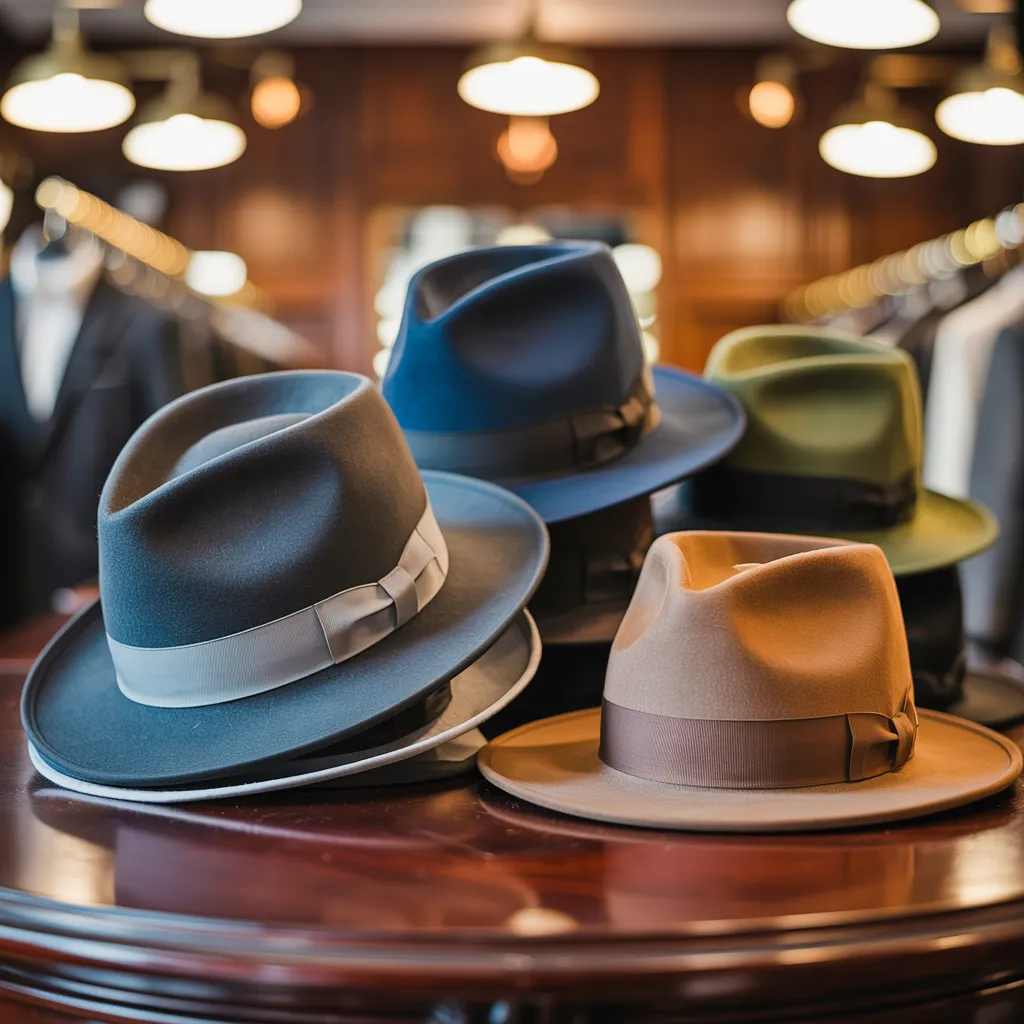
Finding the Ideal Fedora to Match Your Style
When selecting the right fedora, how does a person figure out which style best complements their wardrobe? The secret is found in understanding the balance between personal style and the complete outfit ensemble. A fedora's shape, material, and color should harmonize with current wardrobe selections. For instance, a classic wool fedora could complement a tailored suit, while a straw variation could enhance a relaxed summer outfit.
Face shape is another crucial factor to consider; wider brims are ideal for toning down angular facial features, whereas a narrower brim might accentuate them. Furthermore, the occasion plays a significant role. Darker and more sophisticated tones are typically suited to formal occasions, while softer tones and prints tend to work better in casual environments. In the end, a well-chosen fedora goes beyond being a mere accessory examine now and becomes a defining piece of an ensemble, expressing the distinct taste and identity of its wearer.
Explore Iconic Fedora Styles: From Classic to Contemporary
Fedora hats have historically been a hallmark of fashion and sophistication, showcasing a diverse range of designs that appeal to a range of tastes and settings. The traditional fedora, characterized by its soft brim and indented crown, embodies an enduring refinement, frequently linked to legendary personalities of the mid-1900s. Its woolen fabric imparts a sense of sophistication, making it a staple for formal events.
On the other hand, contemporary styles have introduced creative materials and concepts, attracting a present-day crowd. Straw fedoras, for example, provide a lightweight option well-suited to summer outings, while bold colors and patterns facilitate individual style. Moreover, features such as expansive brims and creative adornments have appeared, delivering an distinctive twist on the timeless style. No matter if one leans toward the timeless or the trendy, the fedora hat continues to be a versatile accessory that naturally complements all personal styles.
Fedora Styling Guide: Tips to Boost Your Confidence
How does one enhance their look with a fedora? The key lies in understanding how to harmonize this classic accessory with various outfits. A fedora is capable of elevating both casual and formal ensembles, making it a remarkably adaptable accessory. To exude confidence, one should choose a fedora that complements their face shape and personal style. Combining it with well-fitted garments, like a blazer or a neat button-up shirt, can achieve a refined look, while jeans and a casual tee can offer a laid-back feel.
Accessories are important too; a pocket square or stylish watch can complete the ensemble. The way the fedora is worn also influences its impact—tilting it slightly can add an air of sophistication. In the end, true confidence stems from wearing the hat boldly, ensuring that it becomes a statement piece that reflects individuality. Incorporating the fedora can change not just a look, but also the wearer's sense of personal empowerment.
Caring for Your Fedora Hat: Maintenance and Storage Tips
Caring for a fedora hat is vital to sustain its appearance and durability. Consistent cleaning practices, correct storage habits, and understanding of harmful factors are necessary for preserving its quality. By adhering to these care guidelines, hat owners can guarantee their fedoras continue looking their best for a long time to come.
Routine Cleaning Practices
Keeping the flawless look of a fedora hat requires regular cleaning techniques that protect its fabric and shape. To start, a soft-bristle brush is important for removing dust and residue from the exterior of the hat. Light circular strokes can assist in maintaining the fabric's integrity. For stains, a slightly wet cloth with light soap should be employed, being careful not to drench the fabric. It is advisable to try any cleaning product on a small, inconspicuous area first. Additionally, occasional expert cleaning can aid in sustaining the fedora's condition and lifespan. Consistently examining for frayed edges or worn sections will enable prompt restoration, guaranteeing the hat stays a stylish accessory for many years ahead.
Appropriate Storage Techniques
Correct storage habits are essential for preserving the shape and condition of a men's fedora hat. In order to copyright its condition, storing the hat in a cool, dry area is essential, shielded from direct sunlight that may lead to discoloration and distortion. Employing a hat box or designated shelf can eliminate excess pressure on the brim and crown. During storage, setting the hat upside down on a level surface helps it maintain its form. Refrain from hanging the fedora, since doing so may compromise its structure. Routinely examining for dust and delicately brushing it away with a soft brush will contribute to its long-term preservation. Implementing these habits will keep the fedora in pristine, fashionable condition for many years to come.
Eliminating Damage Factors
A properly maintained fedora hat can stand the test of time, but several factors can lead to damage if not addressed. Subjection to humidity and temperature extremes can alter the hat's structure and weaken the material. Prolonged sun exposure can lead to discoloration, while careless handling may result in unwanted creases or dents. Furthermore, exposure to dust and grime can weaken the fabric's structure, requiring regular cleaning sessions. To minimize these hazards, it is crucial to place the fedora in a well-ventilated, dry location, shielded from direct sunlight. Consistently cleaning the hat with a gentle brush and storing it in a dedicated hatbox can greatly extend its lifespan. By following these preventive measures, hat enthusiasts can maintain the elegance and condition of their cherished fedora.
The Rich History of Fedora Hats
The fedora, an emblem of enduring style and refinement, has a storied past stretching back to the late 1800s. Making its debut in 1889, it rose to prominence following its appearance in the theatrical production "Fédora" from playwright Victorien Sardou, which showcased a stylish female protagonist donning the hat. Beginning as an accessory exclusive to women, the fedora shifted to men's fashion by the early 20th century, cementing its place as a symbol of well-dressed men and city sophisticates.
In the 1920s and 1930s, the fedora became a staple of men's attire, frequently associated with detectives, Hollywood icons, and gangsters. Its style, featuring a soft brim and a creased crown, delivered both aesthetic appeal and practical utility. Across the years, the fedora has experienced many reinventions, while its enduring allure has never faded. Such a lasting legacy cements the fedora's place as an enduring fashion staple, rising above passing fashions and shifting cultural landscapes.
How Fedora Hats Are Staging a Comeback Today
Recently, a remarkable revival in the prominence of fedora hats has enthralled style lovers and trendsetters alike. This timeless style piece, formerly associated with classic mid-century style, is being revitalized in modern fashion. Leading designers are embracing fedoras within their seasonal collections, showcasing them in diverse fabrics and color palettes, rendering them suitable for both everyday and formal settings.
Social media platforms, particularly copyright and TikTok, have been instrumental in this revival. Content creators frequently appear combining fedoras with contemporary styles, highlighting their flexibility and classic allure. Famous personalities have also adopted the style, further solidifying the fedora's status as a fashionable statement piece.
As a result, more men are choosing fedoras to demonstrate their unique character, merging timeless style with modern fashion sensibilities. This resurgence in popularity reflects the hat's enduring appeal, proving that the fedora continues to be an essential accessory in the constantly changing world of men's style.
Questions We Often Receive
Are Men's Fedora Hats Suitable for Women as Well?
Absolutely, women can wear men's fedora hats. Fashion goes beyond gender boundaries, allowing individuals to express their style. A great number of women value the classic appeal and adaptability of men's fedoras, integrating them into their unique outfits.
What Are the Best Materials for Fedora Hats?
Fedoras are commonly made from natural materials such as wool, felt, straw, or cashmere. Wool and felt provide warmth and structure, while straw provides excellent breathability. Cashmere brings a touch of opulence, attracting those who value both sophistication and comfort in their choice of headwear.
How Do I Measure My Head for a Fedora?
To find the correct head size for a fedora, utilize a soft measuring tape across the forehead, over the ears, and just above the occipital bone at the back. Note the measurement in inches or centimeters for sizing.
Do Fedora Hats Work Well for Formal Occasions?
Fedora hats are truly well-suited for formal settings, adding an elegant accent to any outfit. Their classic design harmonizes with numerous wardrobe choices, making them an ideal option for occasions spanning from weddings to prestigious events.
How Does a Fedora Differ From a Trilby?
The key differentiator between a fedora and a trilby lies in their brims; fedoras feature a fuller, gentler brim, while trilbys have a narrower, angled brim, giving them a sleeker, more contemporary look.